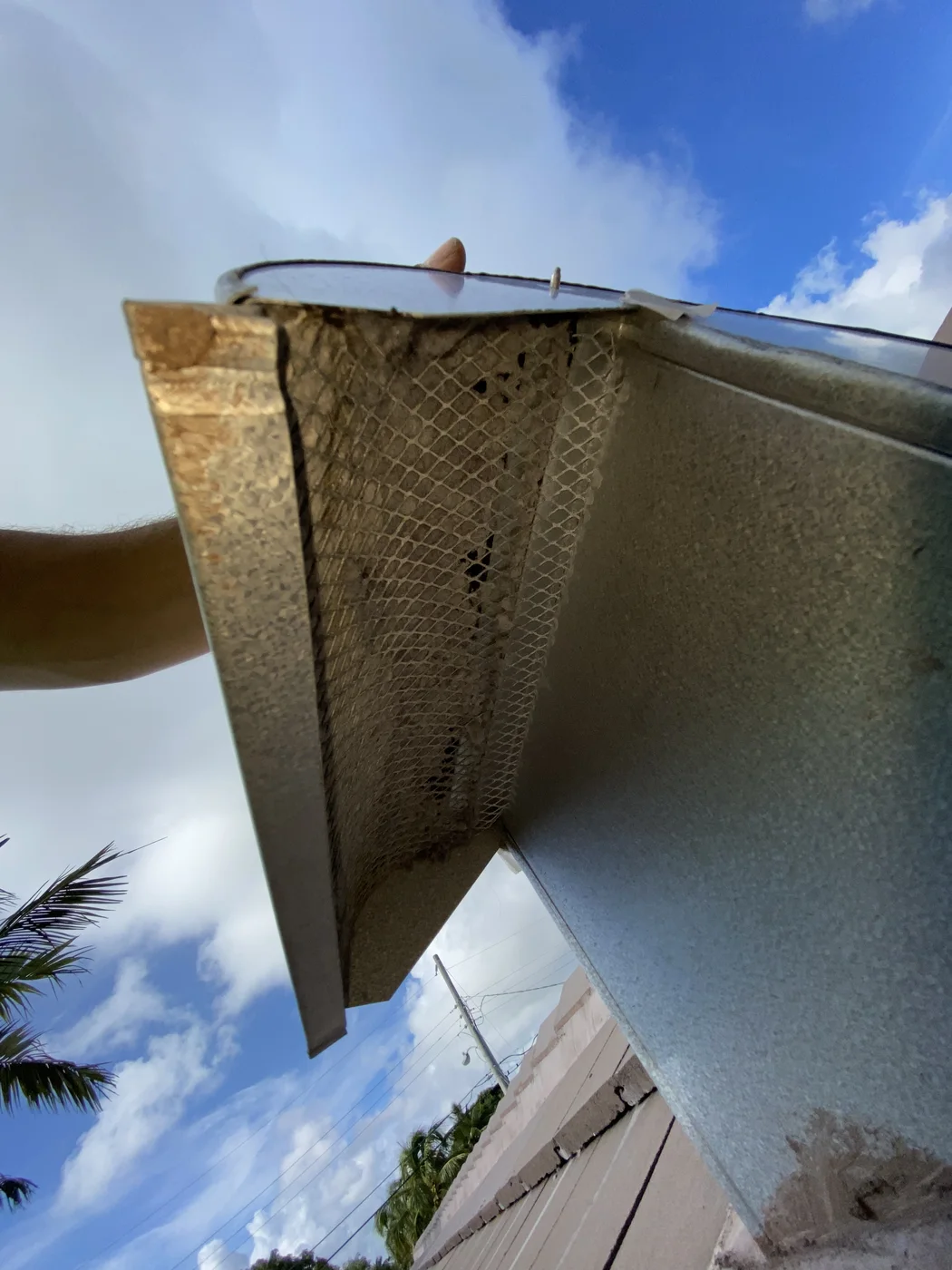
An airflow check gives a technician one more piece of evidence about how a dryer exhaust system is performing at a specific moment. It can be especially helpful when readings are taken before and after cleaning under comparable conditions. The value is in the comparison, not in presenting one number as a universal pass or fail. Dryer models, cycles, sensor logic, duct routes, measurement points, and exterior terminations vary. A professional result combines the reading with visual observations, the amount and location of buildup removed, and the condition of the transition duct and exterior outlet.
What is actually being measured?
Depending on the instrument and access point, a technician may measure air velocity, estimate volume, or use another repeatable indicator at the exhaust outlet. Those quantities are related but not interchangeable. The shape and free area of a hood can produce different velocities across its opening, and a moving damper can make placement difficult. Some dryers also change blower or heat behavior during a cycle. For those reasons, the report should identify the instrument, test location, cycle, and basic setup rather than displaying an unexplained number. The goal in a routine cleaning visit is usually to compare the same system with itself, not to rank it against an unrelated dryer in another home.
Consistency makes the comparison credible
A useful before-and-after check controls as many variables as practical. Use the same dryer, cycle, test point, termination configuration, and instrument orientation. If the first reading is taken with a loaded dryer halfway through an automatic cycle and the second with an empty dryer on timed air, the difference may reflect operating conditions rather than cleaning. A flap that moves against the probe can also distort results. Documenting the setup takes only a moment and makes the final explanation much stronger. When the outlet is inaccessible, a different repeatable measurement point may be used, but the report should state clearly where the reading came from and whether the exterior termination itself was inspected.
How to interpret improvement after cleaning
If lint is removed and the comparable post-service reading increases, it is reasonable to say that airflow improved under the tested conditions. The reading can be paired with photographs and observations about damper movement to show a meaningful change. It is not reasonable to convert that change automatically into a promised reduction in drying cost, an expected cycle time, or a broad safety conclusion. Drying performance also depends on the appliance, load, washer extraction, settings, and remaining duct configuration. A measured improvement is valuable on its own. Accurate reporting does not need an exaggerated outcome attached to it.
What an unchanged or low reading may mean
An unchanged result calls for investigation, not an immediate conclusion that the system is permanently blocked. Check whether the transition duct was crushed when the dryer returned to position, whether the exterior damper opened, and whether the test conditions truly matched. A long route with multiple turns may behave differently from a short direct run. The dryer may also vary its output or have an internal issue. If cleaning tools could not reach a section, that limitation belongs in the report. The next step may be connector correction, termination service, appliance diagnosis, or further evaluation of concealed ductwork. A vent cleaner should identify the evidence without claiming to diagnose components that were not inspected.
Manufacturer warning systems are related but separate
Some dryers include a vent indicator or a manufacturer-specific airflow warning. These features can be helpful, but they operate according to the design and logic of that appliance. An LG Flow Sense indication, for example, should be interpreted using LG’s instructions for the particular model; it is not a universal percentage measurement that applies to every dryer. A warning that clears after service is useful supporting evidence, while a warning that remains may justify checking the connector, termination, and appliance guidance again. The technician should record the displayed message exactly and avoid translating it into a claim the manufacturer does not make.
What the airflow check does not establish
A single field reading does not reveal the condition of every concealed joint, predict how quickly lint will return, verify appliance heating performance, or prove that an installation meets every applicable requirement. It cannot predict future system behavior. Conditions can change if the dryer is moved, the connector is crushed, the termination becomes obstructed, or the lint filter is not maintained. The check is best treated as a documented snapshot. Combined with an inspection, consistent before-and-after method, and honest limitations, that snapshot helps a homeowner understand whether the tested airflow changed and what follow-up, if any, is reasonable.
Want more than a vague “vent is clean” statement?
Zarts can pair dryer vent cleaning with a consistent airflow comparison when the system and access allow it, then explain the reading alongside the connector, duct, and termination observations.
Sources and further reading
These primary sources support the general consumer and system information in this guide. They do not endorse Zarts or replace evaluation of a specific home.